Pranajama: Surja bedana

21458558_489065458134551_1769978276_o

Pranajame koje menjaju doše – 1. deo

U tekstu koji sledi, pranajame (pranayama) i kumbake (kumbhaka) imaju jasnu medicinsku funkciju i stoga mogu biti preporučene od strane terapeuta odnosno osobe koja jogičke tehnike primenjuje u okviru konteksta terapije, a ne prevashodno duhovnosti. Takođe, mogu biti korišćene kao duhovne sadane (sadhana) ukoliko se kod učenika uzme u obzir konstitucija doša (dosha). Pre upuštanja u ove tehnke, važno je razumeti njihove efekte pošto nijedna od njih nije samostalni uravnoteženi vid prakse. Upravo iz razloga što nisu uravnotežene, ove tehnike se mogu primeniti kako bi korigovale neravnotežu doša. Terapeutski, surja bedana (surya bedhana) se primenjuje kako bi smanjila vatu (vata) i kaphu (kapha), uđaji kumbaka (ujjayi kumbhaka) se primanjuje kako bi smanjila kaphu, čandra bedana (chandra bedhana), šitali (shitali) i šitkari (sitkari) se koriste kako bi snizile pitu (pitta).

U terapeutske svrhe preporučuje se kraća, neintenzivna praksa. Dakle, primena je u ovom slučaju sasvim drugačija od primene u duhovne svrhe. Kada je nadi šodana (nadi shodhana) jednom savladana, praktičar je u duhovne svrhe koristi da bi podigao kundalini (kundalini). U tu svrhu trajanje prakse je dugo i sa dugim kumbakama i stoga je efekat prakse sasvim drugačiji. Na primer izvođenje neke od ovih pranajama 10-15 minuta u toku dana može doprineti uspostavljanju ravnoteže doša. Dok bi isti metod za podizanje kundalinija zahtevao izvođenje u trajanu od jednog ili jednog i po sata u kombinaciji sa drugim praksama jednakih vremenskih razmera. Za takvu kundalini praksu potrebno je prethodno savladavanje asana (asana), krija (kriya) i nadi šodane, jer u suprotnom osetljivi sistem nadija ne bi izdržao napad zmijske moći u usponu (shakti).

Stoga, treba imati na umu, kada čitamo o ovim tehnikama ili kada se praktično bavimo njima, da iste tehnike primenjuju dve potpuno različite grupe ljudi, u dva potpuno različita konteksta. Neka bude jasno koja im je svrha bez ikakvih nijansi sive. Na primer, pretpostavimo da ste korisnik ove vrste terapije sa relativno malim isustvom u jogi, ali sa otežanim poremećajem vate. U tom slučaju možete praktikovati surja bedanu 10 minuta u toku dana kako bi se vata snizila i došla bliže ravnotežnom stanju. Nakon toga, ne možete tek tako odlučiti da promenite svrhu metoda i pojačate surja bhedanu na jedan sat dnevno sa dugim kumbakama. Ukoliko želite tako nešto, prvo je potrebno da postignete određeni nivo u izvođenju asana, krija i nadi šodane. Nepohodno je da ovo bude jasno upravo iz razloga što je zbog dvostruke primene ovih metoda, prisutno dosta zabuna vezanih za odgovornost u njihovoj primeni.

Dve tehnike koje slede, surja i čandra bedana su jedna drugoj odraz u ogledalu i zajedno čine nadi šodanu. Nadi šodana polako koriguje neravnotežu nadija, međutim ukoliko je neravnoteža precizno dijagnostifikovana, surja ili čandra bedana može brže da je koriguje, nakon čega se nastavlja sa nadi šodanom.

Surja bedana

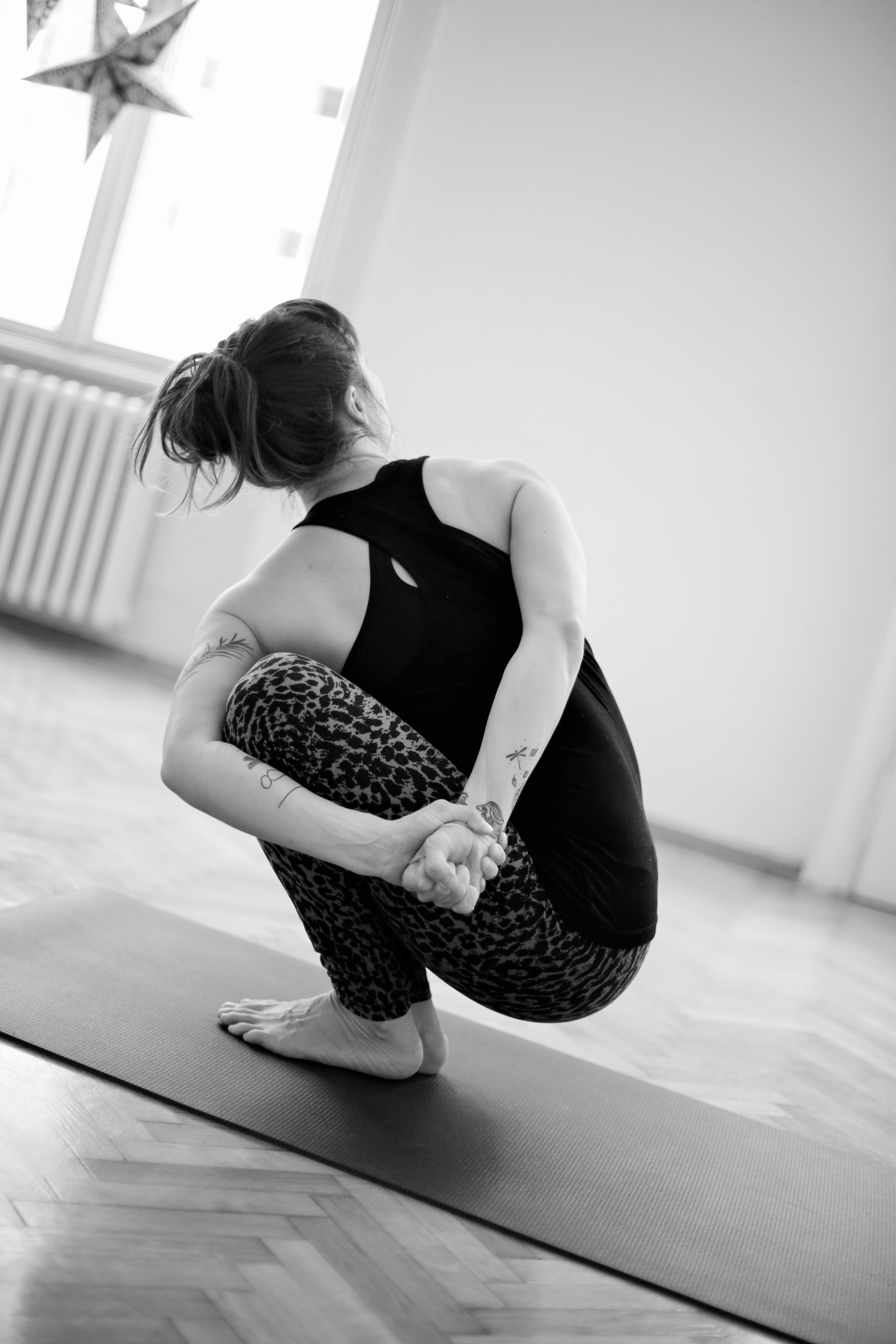
Surja bedana znači „probadanje Sunca“ i odnosi se na činjenicu da se svaki udah odvija kroz desnu, solarnu nozdrvu.

„Joga kundalini upanišad“, „Hata joga pradipika“ i „Joga rahasja“ navode surja bedanu među najvažnijim pranajamama za koje se veruje da otklanjaju bolesti. Osim svojstva da otklanja bolesti izazvane pojačanom vatom, surja bedana nalazi svoju glavnu primenu u podizanju kundalinija. Tada se često kombinuje sa bastrikom (bhastrika), nauli (nauli) i drugim tehnikama. Ukoliko se surja bedana u terapiji primenjuje kako bi snizila vatu, potrebno ju je pažljivo dozirati kako ne bi podigla pitu. Zapravo, surja bedana se koristi za snižavanje kaphe, iako se u ove svrhe generalno primenjuje uđaji kumbaka koja nije toliko zagrevajuća.

Kako bi se neutralizovao efekat podizanja pite, surja bedana se često kombinuje sa tehnikom šitali, koja smanjuje pitu. U terapiji, surja bedana je generalno ograničena na 10 minuta i obično se izvodi bez ili sa veoma kratkim kumbakama. Kada se surja bedana praktikuje kao duhovna sadana, izvodi se u trajanju od 45 do 90 minuta dnevno u kombinaciji sa drugim praksama. Praksa je tada moćna u pojačavanju agni (unutrašnje vatre) sa svrhom da se podigne kundalini. Nije potrebno napomenuti da se takva primena treba praktikovati samo uz vođenje iskusnog učitelja.

Jedan od problema sa kojim se suočavamo prilikom praktikovanja surja bedane je taj što ona sama po sebi nije uravnotežavajuća kao što je nadi šodana ili bastrika. U procesu potpaljivanja agni, surja bedana aktivira sve parametre povezane sa desnom nozdrvom odnosno simpatetički lanac („bori se ili beži“  reakcija), eferentne nervne struje (izlazni signali, ekstrovertna ličnost), levu moždanu hemisferu, katabolizam (razgrađivanje tkiva) i analitički fundamentalistički um (postoji samo jedna istina). S druge strane suzbija ili slabi tendencije povezane sa levom nozdrvom odnosno parasimpatetički lanac (odmor i relaksacija), aferentne nervne struje (dolazni signali, introspektivna ličnost), desnu moždanu hemisferu, anabolizam (hranjenje i izgradnja tkiva) i intuitivni/relativistički um (postoji više istina).

Nakon ponovnog iščitavanja ovog spiska polako ćete, reč po reč otkriti dramu zapadne naspram drevne indijske kulture. Zapadna kultura je beznadežno surja ili solarno preovladavajuća, dok je tradicionalna indijska kultura pretežno lunarna. Proučavanjem devetnaestovekovnih gledišta zapadnih indologa o indijskoj kulturi i religiji, obično se nailazi na tipično nerazumevanje koje su pripadnici solarnih kultura imali spram lunarnih kultura. U stara vremena surja bedana je bila panaceja za sve neravnoteže sa kojima se suočavao tipični srednjevekovni ili drevni jogi, kojem bi do pre par vekova bila potrebna dobra doza surja bedane da bi se stvorila neophodna vatra  i snaga za sagorevanje lunarnih prepreka. S druge strane, prosečni savremeni jogi sa zapada, barem u vreme pisanja ovog teksta, već ima previše solarnih, simpatetičkih, levohemisfernih, eferentnih, fundamentalističkih, kataboličkih, analitičkih i ekstrovertnih tendencija. Primeri nisu samo testosteronom vođeno buldožiranje kišnih šuma, nego i testosteronom vođeno buldožiranje resursa skoro čitave planetarne populacije u vatru globalne finansijske krize.

Snažno reprezentovana savremenim belim muškarcima, ova tendencija takođe priteže i žene i pripadnike orijentalnih kultura. Veoma pojednostavljeno, stalno pozivanje na porast bruto domaćeg proizvoda i glavnog mu pogona domaće potrošnje, povećava solarno držanje populacije čineći je još više kataboličkom (razbijanje i sagorevanje resursa), ekstrovertnom (prekovremeni rad i obavljanje težih zadataka vezanih za posao), simpatetičkom (izloženijom stresu kroz dodatni posao i sve veće zahteve po pitanju obrazovanja) itd. I dok se sve ovo dugo smatralo domenom belog muškarca, ekonomisti su uveliko shvatili da globalna ekonomska proizvodnja može nastaviti da raste samo ukoliko se u nju uključi čitava ženska populacija i populacije prethodno nerazvijenih zemalja. Solarna, muška kultura je preplavila lunarnu, žensku kulturu i ukoliko se ta tendencija nastavi globalni organizam će sagoreti kao i veoma stresirana i napeta ambiciozna individua, tendencija koja je obično povezana sa disanjem prevashodno kroz desnu nozdrvu. Šastre (shastra) tvrde da ćemo, ukoliko tri dana konsekutivno dišemo kroz surja (desnu) nozdrvu, živeti još samo jednu godinu.

Uprošćeno, surja bedana će učiniti da budemo manje mentalni, manje samoreflektivni, više fizički, manje ležerni, više napadni, manje intuitivni, više analitički, više otvoreni, manje introspektivni, više zainteresovani za slamanje postojećih struktura (čak i ako su korisne), nego za održavanje istih, više zainteresovane za jednu istinu (često sopstvenu), nego u druge koje takođe mogu imati smisla. Surja bedana je moćna tehnika za osobe koje imaju suviše suprotnih, lunarnih tendencija. I dok je pre recimo 1000 ili 2000 godina ovu tehniku pranajame možda bilo moguće jednoglasno prepisati većini ili svim jogijima u Indiji, nužno je zapitati se da li je mnoštvo savremenih jogija već upilo i suviše ovog melema. Ovu tehniku treba praktikovati samo ako je prepisana i skrojena od strane dobro obrazovanog učitelja prema potrebama pojedinačnog učenika. Svami Nirandžanananda tvrdi da surja bedanu trebaju primenjivati samo oni koji imaju nadmoćniji lunarni nadi (Ida), pošto surja bedana aktivira simpatetički nervni sistem, generiše toplotu i proizvodi ekstrovertnost. Trebamo je praktikovati samo ukoliko nam nedostaju ove karakteristike. Nemojte samostalno sebi prepisivati surja bedanu. Potrebno je da iskusni učitelj utvrdi da li je za vas prikladnija ova praksa ili pak čandra bedana, a odabir bi se mogao menjati u zavsnosti od godišnjeg doba i geografske lokacije. Ukoliko postoji nedoumica, treba jednostavno nastaviti sa praktikovanjem nadi šodane.

KONTRAINDIKACIJE

Nemojte praktikovati surja bedanu za vreme toplotnog talasa leti ili tokom trudnoće (zato što je katabolička). Nemojte je praktikovati ukoliko vam je pita već pojačana, jer surja bedana podiže pitu. Nemojte je praktikovati sa povišenim krvnim pritiskom, hipertiroidizmom ili ukoliko patite od aciditeta i od pitom povezanih bolesti kao što su čir i gastritis. Nemojte je praktikovati sa srčanim tegobama kao što je angina pektoris.

Nemojte praktikovati ovu tehniku ukoliko ste veoma analitični/logični i nedovoljno intuitivni. Nemojte je praktikovati ukoliko su ženski, saosećajni, brižni aspekti vaše ličnosti već nedovoljno razvijeni. Nemojte je praktikovati kada ste previše fizički i materijalno orijentisani, ambiciozni  i kada uopšte ne možete da se povežete sa uzvišenim konceptima i idealizmom. Nemojte je praktikovati ukoliko ste podložni stresu, napeti, ukoliko ste A tip ličnosti, imate srčane probleme ili stomačni čir, ne možete da se opustite, patite od isprekidanog sna, ukoliko se lako pregrevate ili patite od viška pite. Drugim rečima, nemojte je praktikovati ukoliko ste solarni tip ličnosti i telesnosti.

Ukoliko praktikujete surja bedanu i primetite da prenosite unutrašnje konflikte u spoljašnji svet (tj. izvana proživljavate konflikte vašeg okruženja i odnosa koji bi se bolje razrešili mentalnim razumevanjem i procesom prepoznavanja), onda ovo može biti indikacija da treba stati sa ovom tehnikom i zameniti je nadi šodanom.

BENEFITI

„Hata joga kaumudi“ preporučuje surja bedanu zimi (za grejanje) ili za lečenje bolesti izazvanih povećanom vatom i kaphom. Izuzetna je za praktikovanje u planinama ili tokom hladnih godišnjih doba, dobra je za pročišćavanje i skladištenje agni (unutrašnje vatre). Surja bedana se može koristiti u lečenju bolesti respiratornog sistema kao što su prehlade, sinusitis, bronhitis i drugi poremećaji vate i kaphe. Kako ova tehnika daje energiju, dobra je takođe u slučajevima depresije ili kada se osećamo slabo i bespomoćno. Ona na sjajan način ublažava eksces lunarnih simptoma kao što su letargija, tupost i učmalost. Surja bedana podiže vitalnost i osnažuje telo. Čini nas dinamičnim, uspešnim i otvorenim. Primenljiva je kada se zahtevaju neverovatni fizički podvizi ili podvizi koji imaju veze sa snagom volje kao na primer u situacijama tokom rata.

Kako podstiče katabolizam može se primenjivati u snižavanju telesne težine tj. razlaganju i odstranjivanju masnog tkiva. Svami Ramdev preporučuje da se u ove svrhe praktikuje 27 rundi dva puta dnevno. U ovom slučaju ne dodaju se unutrašnje kumbake, ali spoljašnje kumbake bi podstakle katabolički efekat ukoliko bi učenik bio u mogućnosti da ih praktikuje bez naprezanja.

TEHNIKA BEZ KUMBAKE

Ovo je metod sporog disanja pri kojem je osnovni disajni talas trodelni dvostrukouzlazni talas. 1 Sedeći u položaju za meditaciju, napravite šanka (shanka) mudru desnom šakom. Domalim i malim prstom zatvorite levu nozdrvu i udahnite kroz desnu. Potom, zatvorite desnu nozdrvu palcem i izdahnite kroz levu. Ovo čini jednu rundu. Odmah zatvorite levu nozdrvu ponovo i udahnite kroz desnu. Ponovo zatvorite desnu nozdrvu i izdahnite kroz levu. Kod surja bedane svaki udah se odvija kroz desnu nozdrvu, a svaki izdah kroz levu.

            Počnite sa odnosom 1:1 i ponovite deset rundi ili onoliko koliko vam je preporučio učitelj. Ukoliko praktikujete surja bedanu u terapeutske svrhe, neka dužina izvođenja bude primerena redukovanju lunarnih simptoma. Polako, bez ikakvog naprezanja i forsiranja, produžite odbrojavanje dok ne stignete do odnosa 30:30, odnosno 30 sekundi udaha i 30 sekundi izdaha. Potom smanjite udah na pola kako bi se postigao odnos 1:2. Odatle ponovo produžite odbrojavanje dok jedan ciklus ne dostigne jedan minut. Tokom čitavog ciklusa disanja, meditirajte na Sunce smešteno u pupku kao tokom solarnog ciklusa nadi šodane. Ukoliko vam učitelj ne dodeli drugu mantru, koristite mantru katabolizma, Ram. Tokom praktikovanja surja bedane u dužem vremenskom periodu, čak i bez kumbake, neophodno je savetovanje sa obrazovanim učiteljem koji mora pratiti znakove iritacije solarnog nadija.

TEHNIKA SA KUMBAKOM

Ukoliko ovu tehniku koristite kao duhovnu sadanu da bi se  pročistili i pokrenuli agni, odnosno podigli kundalini, morate dodati kumbaku. Same kumbake, kao i dužina čitave prakse moraju postati poprilično duge. U ovom slučaju nadzor je još važniji. Jednom kada je postignut odnos 20:40, prepolovite udah na pola i dodajte unutrašnju kumbhaku u odnosu 1:1:2. Novo odbrojavanje bi tada bilo u odnosu 10:10:20, odnosno 10 sekundi udah, 10 sekundi unutrašnja kumbaka i 20 sekundi izdah. Produžite odbrojavanje dok čitav ciklus ponovo ne dostigne jedan minut, a potom pređite na odnos 1:2:2. Odavde, prateći isti metod, krećite se do odnosa 1:3:2 i konačno 1:4:2.

Kako bi se podigla kundalini energija, metod mora biti kombinovan sa drugim tehnikama kao što su nauli i bastrika, međutim podizanje kundalinija nije predmet ove knjige. Ukoliko generišete previše toplote i patite od simptoma pregrevanja, pojačajte šitali ili šitkari. Ukoliko iziritirate solarni nadi tj. povećate nadmoć solarnih simptoma, neutrališite ih čandra bedanom, koja će biti opisana kasnije. U slučaju akutne iritacije, potopite se u vodu i pijte velike količine mleka, a ukoliko možete i ekstremno velike količine mleka. Jedan indijski učitelj me je savetovao da popijem 300 čaša mleka ukoliko se praktikovanje ove tehnike vrati kao bumerang, i simptomi će se smanjiti!

Ukoliko pretpostavimo da prosečna čaša ima 0,2 litre, 300 čaša bi imalo 60 litara mleka. To bi bilo više od onoga što očekujemo da prosečna prodavnica ima u svojim zalihama. Ovo je očigledno razlog zašto se mnogi tradicionalni indijski jogiji nikada ne usuđiju da odu mnogo dalje od najbliže krave u okruženju. U svakom slučaju, ovo nas vraća na nužnost savetovanja sa učiteljem ukoliko praktikujemo zahtevne i napredne odnose razmera unutar ciklusa disanja.

Izvor: Pranayama, The Breath of Yoga, G. Maehle (2012)

Prevela: Mirela Đurić

Restore: Legs-up-the-wall pose

I am not sure of it’s Sanskrit name, but I am pretty sure it’s not Viparita Karani as it’s called sometimes. Viparita Karani is rather a blanket term for all of the inverted postures. And that’s what it means, to invert the body upside-down. The English, Legs-up-the-wall is very descriptive name for a pose and so are most of the Sanskrit names, so why not accept it?

It has been my favorite pose for quite a while. This photo was taken while I was compiling yin yoga travel booklet for a client so she could continue with her daily routine on a trip across the globe. It turned out to be her favorite pose too. Photo was taken this winter when I was still working on my air pollution forecasting thesis and running the shala at the same time. So I’ll forecast you this, the benefits of legs-up-the-wall pose.

Benefits of legs-up-the-wall pose:

  1. Calms the mind
  2. Refreshes the nervous system
  3. Reduces anxiety
  4. Regulates low blood pressure
  5. Relieves the leg muscle tension
  6. Helps with edematous swelling of the feet and legs
  7. Soothes varicose veins
  8. Improves digestion
  9. Alleviates headaches and migraines
  10. Reduces premenstrual bloating
  11. Relieves menstrual cramps
  12. Relieves symptoms of menopause
  13. Regulates urinary problems
  14. Relieves sciatic and back pain

How to do it?

When you find a wall, sit right next to it with both legs parallel to it. Turn over lifting the legs up the wall, lying down on the ground. If you feel something’s not right:

  • Scale check the intensity of the stretch in the back of the legs. On a scale from 1 to 10, my advice would be not to go above 7 as this would not help relieve anything but it would only add up to already existing tension and bring to a counter effect. In that case slide the pelvis away from the wall to angle the legs accordingly so you can feel a pleasant and relieving stretch at the back of the legs.
  • If you locate the tension at the back of the neck and you feel it flat against the ground with the chin too close to chest, roll a small towel and place it under the cervical spine.
  • If the neck tension is coming from the head dropping back with the shoulders lifted off the ground, place a support under the back of the head. The head can be supported with a towel, blanket, sand bag, pillow, block, book…
  • If the legs won’t stay together and they’re sliding to the sides or down the wall, use a strap or a belt looped just above the knees for support.

If everything seems and feels to be right, you may start to give in to the pose. Disengage the feet, calves, thighs, muscles of the pelvic floor, abdominals, shoulders and arms, hands and fingers turning the palms up, relax the throat, lower jaw, muscles of the face, forehead and temples, try closing the eyes or just not gazing upward. Total release. Make it a passive pose. Avoid the sense of doing in the pose.

To make this pose a bit more therapeutic, elevate the pelvis by placing a folded blanket, bolster or a block under the hips and sacrum. This will create a slight inversion for the lower belly organs which get pressed down by the intestines during daily activities. It will improve blood circulation in the abdominal area, as well as digestion. Experiment with height of support under the hips and sacrum, but also with the distance from the wall. To avoid tucking the tailbone, you might need to walk the hips away from the wall.

Stay with the legs up the wall as long as you like. The longer, the better. If you have time, up to 20 minutes should provide a great spectrum of it’s benefits. If you spend a lot of time sitting, standing or walking, if your field work requires challenging body positions, if you’re engaged in hard physical labor of any kind, please find break time for legs up the wall. No task, especially if it’s a job, is worth depriving our bodies of therapeutic nourishments that it deserves. Try not to succumb under the heavy load of long working hours. Do not let the body pay the price. I had a privilege to do yoga with elderly people, including my mother, who spend their lifetimes working hard and the marks on their bodies are clearly visible. But as soon as they engaged in simple yoga routines, their bodies instantly returned the favor.

If there’s no wall near, which is less than likely, since there are lots of misplaced walls all around this world…  find a tree, a pillar of some kind, a partner with whom you can do legs up the legs pose, anything that works.

Stay well.


Mirela,

No gods, no gurus

Janu Shirshasana C

_64a3498-2

Janu – knee; Shirsha – head

Head-to-knee posture

Janu C looks like a tricky one. One leg is straight, the other one is bent at the knee, externally rotated from the hip, the foot is flexed and rotated so the heel is pointed upward and the toes flexed and spread over the mat. Torso folds forward and the arms reach over for the other foot, the face meets the knee. Or not.

To phase it in, let’s start from dandasana. In dandasana the hips are squared, equally directed forward. The back is straight, or not. If the pelvis is tilted backward the lower back will be rounded. To unround it, bend the knees or sit on a block. Bring the sternum up and roll the shoulders back and down to straighten the upper back. Bend one leg, bringing the knee to chest and then externally rotate from the hip. Take hold of the foot with both hands, flex it and without applying force try to turn it so the heel is pointing towards the navel and the toes are being brought in contact with the mat. Release. Now look at the foot. If the foot is not vertical to the ground, press the hands against the ground, lift the sit bones and bring them a little bit forward maintaining the squareness of the hips. This should bring the foot more upright. Or it might not. Either way, do not obsess. It’s not a big deal if the foot is not vertical to the ground and it’s equally not a big deal if it is. But it could be a big deal if we cause an injury to the knee. So far this is not a spiritual practice. It is a physical practice meant to be therapeutic for the body. From here, do not manipulate the position of the knee, let it settle by itself. In time it will settle down into the ground. If it doesn’t meet the ground, for safety reasons a simple way of supporting it is by placing a block or a book under it, rather than just leave it floating above the ground. Go for the block/book if there is a discomfort inside the structure of the knee or the history of trauma. To avoid more trauma, never press the knee down. Never ever. Not in a mood for caps, but I can not stress this enough.

Fold forward from the hips, but not fast forward. Back straight and try not to make sudden, unpredicted movements. If not floating through vinyasa, I wouldn’t recommend jumping into it, unless the idea is to self-destruct. Slowly explore comfortable range of motion. If possible, reach the arms forward and bind the hands around the other foot. Elongate through the spine. Stay centered to the midline of the body and try not to lean to one side. Muscles along the spine should be elongated equally. Right and left side of the waist should be of equal length.

Some extra caution is required until we’ve become proficient in performing the posture so we can enjoy it’s benefits. One of the benefits, when performed correctly, is improved circulation and influx of nutritional supplies through the blood to some of the restricted areas of the knee structure. Still, not all of them will get the supplies easily. Such is the inner cartilage of the meniscus. But the surrounding connective tissue can be nurtured well.

Although this posture might bring some discomfort to the ankle and the foot, which also belong to the group of the body parts with limited circulation and blood supply, it is highly therapeutic and nourishing. It can help heal chronic problems bringing the nutritional elements to these poorly supplied parts of the leg. After performing the posture we might feel as if someone gave us a nice foot massage. Mmmm. Or not. Beware, it can be contraindicated if there is a feet injury such as plantar fasciitis, metatarsalgia or some ongoing inflammatory process which we might not feel and perceive as uncomfortable if the body is properly warmed up.

Forward fold stimulates the pancreas, liver, kidneys, urinary bladder, uterus and ovaries (especially if the heel comes in contact with the lower belly) and is very beneficial for digestive, urinary and genital system.

It might take some time to get to it. Gradually go through all of the phases. It’s important not to push and force. Align the idea of a visual appearance of the posture with the idea of it being therapeutic, beneficial and nurturing.

Mirela Đurić

Pashasana

_64a3704-2

Name of the posture: Pashasana

Meaning: Noose posture

Noose refers to the position of the arms looped around the legs. But Pasha also refers to one of the many Shiva’s names. This is the first posture of the ashtanga yoga intermediate series. As many of the postures of the intermediate series, it is an upgraded version of the primary series posture. In that sense, some practitioners see it as more intense utkatasana. Some like to see it as double Marichy C, since we wrap the arms around both legs at same time. Some see it as a combination of those two postures.

The apanic effect of pashasana is the strongest one I have ever felt in any of the postures. To put the yogic terminology aside and to explain this more precisley, so someone like my mother who started practicing yoga with no previous experience at the age of 62 can also understand it – when I first started to practice pashasana, I remember it’s strong downward pull causing a really, really strong urge to run to the toilet for a big one! Full flexion of the hip joint, which brings ones knees to chest and thighs pressed against the abdomen, combined with a deep twist and binding of the hands, governs the feeling of being pulled into the ground. Almost like dug deep down, that’s how strong and grounding it feels. Once the balance is gained and maintained, the struggle seems to be over and upon the inhalation we are able to feel the elongation of the spine, the spreading of the ribcage and the collar bones and the opening of the chest across the sternum. There is a counter flow being restored. Holding pashasana gives one a strong sense of being firmly grounded and the opposite force arising should only be as strong as the grounding one. Those opposed forces of the equal intensity and the same absolute value, give a great energetic mish mash sensations.

Being the first posture of the intermediate series, pashasana’s task is to set the grounding for what’s to come. And what’s to come can tear us apart and pull our hearts out if we’re not well grounded. Shalabhasana, bhekasana, dhanurasanas, ushtrasana, laghu vajrasana, kapotasana and supta vajrasana. Performance of those postures can bring one to an emotional discharging by seemingly unexplainable and unstoppable crying. So, facing those moments of life’s hard times or just postural, asanic hard times, we should make sure to ground well and ground deep before we bring our feet back above the ground with vinyasa and the back bands of the intermediate series. Compared to pashasana, vinyasa and the back bands have a lifting quality. Have patience with pashasana, give it time, it’s a complex posture requiring a lot of flexibility and a lot of strength. Strength should come from the core, oblique and rectus abdominis muscles. Flexibility is needed in the Achilles tendons, calves, hips, shoulders, intercostals, thoracic spine… Will not go into technical details of performing this posture, but much of it depends on bodily proportions, length of the arms, legs, femur bone and the spine. A person with long legs and long arms might easily bind in pashasana, even if they’re not so flexible. And a person with shorter femur bone opposed to the length of the spine might have difficulties binding even if they’re more flexible than the long-legged one.

Patience with rooting down. As one friend nicely pointed, whatever’s been cut down by repression, down to it’s roots, easily grows back up again like mushrooms after rain. Of course my friend didn’t talk about pashasana, asanas nor mushrooms, but rather about certain ideas. Anyways, I made an excuse to use this metaphor just because I like metaphors and I like recalling that summer’s night with friends in the park for old times-good times sake.

Mirela Đurić

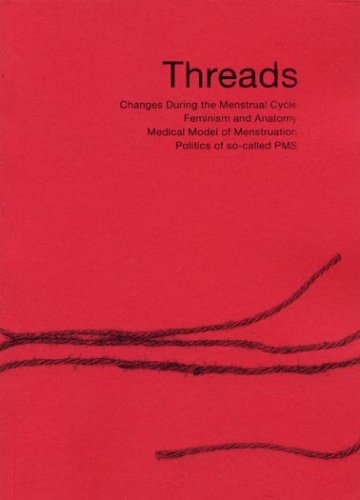
Threads – reading recommendation

415mKXgQFrL

Title: Threads – Changes During the Menstrual Cycle; Feminism and Anatomy; Medical Model of Menstruation; Politics of so-called PMS

Edited and published by Lisa Fannen, 2007.

______________________________________

This little book took a long time to get to me, months, and the most of its journey it spent on a shelf of one bookstore in Zagreb. But as soon as it arrived, it opened up. That’s how it usually goes with gifts from friends.

Threads is a collection of texts edited by Lisa Fannen (2007). Its content is divided in four parts. Each of those four parts consists of texts that came out of workshops that were to exchange and talk about experiences concerning menstrual cycle and so called “PMS” in a wider social, political and economic context. Interesting addition to each part come as excerpts from various texts, studies and researches, fanzines, personal  stories, poems, illustrations and pictures.

I suppose that great part of the contents is already familiar to most of us, but it’s interesting to go through it assembled all together once again.

The first part deals with the changes during the menstrual cycle. It offers general guidelines for monitoring the changes in the cycle from day to day. It explains in which ways cycle monitoring strengthens our bond with our own bodies and processes that take place in the body. By monitoring and observing these changes we get to understand our bodies better and it becomes clear that no doctor will ever get to know it and understand it better than ourselves. There’s no complicated science behind this, just simple observations in dynamics of various processes.  Tables include everything starting from secretion, position and shape of the cervix, changes in body temperature, fluctuations in energy levels, sexual desire, ovulation pain, food cravings, emotional sensitivity, dreams, abdominal bloating, breast tenderness, fluid retention, sweating, migraine, epilepsy, allergies… Those are all processes with more or less stably established dynamics which is easy to observe and interpret. Later on, third part of the book introduces even more detailed insight to these processes and brings to a highly valuable practical benefits of cycle monitoring as a contraceptive method.

Interesting addition to the first part of the book comes in testimonies of women and trans* people about their first menstruation experience, coping with menstrual cramps, needs for staying still or keep moving during menstruation, use of various “sanitary” products while bleeding. Analysis of a historical tabooization in the media by the companies that advertise sanitary towels and tampons wrapping its        purpose in a veil of mystery is particularly interesting. It is ridiculous but concerning reflection of social understanding of menstruation as something that is not spoken out loud about or something that needs to be introduced with new terminology in order to eliminate unpleasant feelings, shame and body-spirit contamination.

The second part is an overview of the “female” anatomy and sexuality through history and different cultures with different perceptions of the human body. It includes a take on the understanding of the body by the western medicine that went through changes parallel with the changes in social conditions in Europe and its colonies. Following that is a take on the traditional Chinese medicine which uses the concept of yin and yang, terms such as warm, cold, dry, moist and similar ones, to explain a bodily condition. Then a description of the Walpiri language of the indigenous community of Australia with a very interesting logic and rituals of marking the parts of the body over the skin, performed by women, by which they emphasize their connection with the earth, animals and other species.

This section also includes a survey of different practices starting with cosmetic surgical procedures on the genitals of the newly born that deviate from the standardized norm of male-female combination of chromosomes, outer genitalia and inner reproductive system. Then follows female genital mutilation, circumcision and clitorectomy which along with being criticized by women who were violently coerced to the procedures, were often used in a racist demonization of cultures which have them in their practice, that is, non-western cultures. There are more examples, the variations of genital mutilation have no end, so I won’t list them further. This is less than a pleasant part, but very important because it deals with the consequences to the health of the persons that went through these procedures.

And, since we mention the subject of health, this section offers instructions for self-examinations which is valuable because it adds to self-awareness, control and responsibility which we realize in the relation with our body, health and life. Instructions and advice for self-examinations will save us the time of repeated trials and errors, whether taking a smear, performing palpation or something else is in question.

Again this whole part is enriched with great illustrations of the “female” anatomy with precise explanations of what is what and where is what. On the other hand, the last illustration goes beyond pure anatomy and presents a mula bandha, energetic lock located near the root of the spine and the center of the pelvic floor. Getting to know mula bandha leads us to yogic techniques with which we regulate energy flows in the body. Explanation that accompanies the picture is very short with the comment that the area is very difficult to isolate in practice. Truly, if we are just staring with yoga practice the search for mula bandha can look like a never ending search for the holly grail.

The third part takes us deeper into the details of western medicine and its view on menstruation. It problematizes this model of menstruation and explores different concepts which preceded establishing the reductionist western medicine. Great deal of the third part deals with the critique of the early endocrinological researches and introduces the concept which polarizes so called “sex hormones” to “female” and “male” which are alleged chemical messengers of “femininity” and “masculinity”. We see that with the discovery of the hormones, the idea of the opposed social roles of men and women defined by their biology had only been perpetuated.

Besides historical overview of the development of endocrinology, this part introduces the development of Luna yoga by Adelheid Ohlig. And so the story goes as far as the nuns in Buddhist convents that practiced the exercises to stop the menstrual cycle forever.

According to Adelheid Ohligs’ story, the journalist who was associate of a physiotherapist and dancer Aviva Stainer, Luna yoga was developed in a very empirical way. It relates to the influence of the Lunar phases to the phases in our moods and changes that take place in our bodies.

Aviva had worked with a large number of women of various age groups. She noticed the absence of menstruation at young women that took part in very intense physical activities. While older women with whom she worked on a program of physical activities in a retirement home, had reported to her that they were bleeding again.

Aviva and Adelheid resumed the results and benefits of the regular Luna yoga practice: stimulation of ovulation and menstruation, strengthening the muscles of the pelvic floor, reducing pain and cramps before and during menstruation, relieving symptoms of menopause, regulation of sexual drive and orgasm, reduction in precancerous cells number, elimination of cysts etc.

And this book does not stop here regarding yoga. It follows one more example of a study that observes the relationship of yoga and health and it takes on a research conducted in the Indian city of Bhopal.

In the year 1984. in Bhopal pesticide factory came to a leak of a poisonous gas and industrial catastrophe which as a consequence had a death of at least 8000 people and half a million with severe health issues. Toxic chemicals quickly leaked into water supplies. Women that were exposed to them reported issues concerning menstrual cycle, especially pain during menstruation caused by uterus spasms due to the changes in hormonal secretion affected by toxins.

Research that had been undertaken in secrecy on two groups of women lasted for six months. The test group was doing yoga and they didn’t take any medicine, while the control group was taking prescribed medicine and did no yoga. Both groups were trained to take notes about the cycle, illiterate women used graphic symbols to fill the charts. They took notes on length of the cycle, intensity of bleeding, pains, weaknesses, giddiness, lack of appetite, depression…

Women in the test group practiced a set of asanas that was conceived with a goal to balance the nervous and endocrine system. Asanas were focused on the pelvic area, uterus and ovaries. From the addition in photos, I would estimate, that it didn’t take longer than half an hour or one hour to work through the given set of asanas.

Research results showed that the health condition of women from the control group who were taking the prescribed medicine and whose organism already was chemically intoxicated did not improve, while the results provided by the women from the control group who were practicing yoga, clearly showed the relief and normalization of the menstrual cycle.

The fourth part takes on the politics of the so called premenstrual syndrome and sets on important questions!

Why is it so that the whole range of physical and psychological experiences prior to menstruation is being looked upon as an illness? Why is it so that for the medicine, so called PMS is so close to the problem of the so called mental health? Why in both cases the psychological and emotional experiences that vary from the so called normal are being pathologized?

The history of medical treatments of so called PMS start nevertheless with the use of the x-rays for taming the ovaries. The inventor of this “cure” is Robert T. Frank (1931). Researches that followed afterwards monitored only and exclusively the correlation between the hormones and emotions. Relevant medical studies pushed forward the theories which influenced the way of thinking in a wider population, and they all came down to setting the biological bases for numerous stereotypes about women as creatures wonderful and lovely by nature that once a month spit with rage for no obvious reason. Cyclic changes thorough which women were going were treated as hormonal disbalance that is to be corrected namely cured.

During the 1970s researches were going towards discarding PMS as hormonal illness and the whole story began to highlight social, cultural and symbolic components. Present-day approach is mainly focused on suggestions and advices on nutrition, physical activity and relaxation.

Exceptionally good addition to this part is based on statements of women about their feelings during PMS: I enjoy the melancholy and my thoughts, I feel very creative in that period, I dream more than usually, I feel more sexy, I put more quality in work, my thoughts are clearer and sharper, I feel love towards everything that surrounds me.

I personally have way more energy for yoga practice, and I feel the practice more intensely in every way. Asanas are understandably more accessible because of the increase in body temperature, while additional heating is being provided by vinyasa and ujjayi breathing. My focus is sharper, the movement brings me into meditative state faster and easier. Once there, I want to stay in that state.The feeling is very pleasant, healing and it becomes harder to stop. That is why ashtanga vinyasa yoga is a remedy that needs to be dosaged with caution.

Therefore, unlike widespread belief the so called PMS is not only rage, nervousness, sweet craving, depression, lethargy, headache and lumbago. The cause to such feelings should be looked for in deeper social problems closely related to a womans role provided by the patriarchal-capitalist society, rather than in biology.

At the very end, after the fourth part, there is a long list of questions regarding menstruation, menopause and general health, which is a part of the “Mass Observation” archive at the university od Sussex. Some of the answers are possible to provide only with thorough thinking and contemplating.

When working with body, it is necessary to understand it. To understand the body and to take care of the body means to take enough proteins, liquid, enough sunshine, air and sleep. To understand the body also means to understand its role in the political and economic context of the capitalist society and it also means to recognise the imprints that such society leaves in our anatomy. If it wasn’t for that, there wouldn’t be those hard armours which we have trained to carry so eassily.

The book is high on abundance of various sources of literature and reading recomendations. It is done in a fanzine style, cut&paste and it is printed on white chlorine-free paper. It is not-for-profit publication and it is free to distribute. If this was enough to get you interested, the book is available for download at www.threadsbook.org


Mirela

No gods, no gurus

Menstruation and postural yoga

img_2993-2

Frequentlly I’ve been asked by women and trans* persons about practicing yoga during menstruation. Their first concern laid in the fact that they’ve been advised not to practice postural yoga while on cycle. Their second concern laid in the fact that this advice would often come from a male yoga teacher who does not menstruate. Confusion laid in the fact that they actually felt good doing some of the postures while menstruating. They felt relief and ease. They felt the pain and the cramps go away. So why shouldn’t they do yoga during cycle if it only makes them feel better? What bad could happen? Are there certain postures that should be avoided? Or should the postural practice be avoided in general?

Well, there are scientific studies looking into postural yoga and menstrual cycle. There is a complex relationship between the two. In some cases postural yoga has been proven to regulate the cycle in a stabilising way and in some cases it was destabilising. No two bodies are the same and no two cycles are the same. Therefore there are no rules, but there are some general guidelines.

I’ll share my opinion based on my own experience as someone who practices ashtanga yoga five or six days a week. Most of the times I’m really looking forward to that time of the month. I would let go off my practice for about two days and I would enjoy the ongoing process of change. Wherever you are in your practice, be it primary or intermediate series, it is still physically challenging, considering that your practice matches your level. So if it’s a long practice – meaning up to two hours a day and if it’s a continual practice – meaning up to six days a week, it only makes sense to stop and rest for a day or two or even longer. Give your body a chance to go through the uninterrupted cycle. Menstrual cycle is a natural apanic flow, which gets countercurrented by properly engaged mula bandha. Mula bandha is the root bandha, root energetic lock. It refers to the root of the spine. Within female anatomy, mula bandha is being located in the pelvic floor, between the pubic bone and the tail bone. Practically it is associated with the pubo-coccygeal muscle. Those are common and general guidelines for locating it, and although they’re quite good, they’re still not quite precise. Properly engaged mula bandha would do the work of energetic lifting by creating the pranic movement from the pelvic floor upwards. This countercurrents the menstrual blood flow. Similar associations could be drawn for uddiyana bandha which literally means lifting, elevating or flying up. Anatomically, uddiyana bandha is located in the lower abdomen, with the part of the transversus abdominis muscle below the navel. To engage it would mean to slightly suck the lower abdomen inward and upward. It is not my intention for this article to go into too many details regarding energetic subtleties on the work of the bandhas. My intention here is to contrast the menstrual blood flow as apanic and downward to the pranic upward flow initiated by the bandhas. However proficient our bandha technique might be, whether we’re performing suctions or contractions to already cramps exposed areas of your body, it is not a good idea to stay persistent with it as it will only make them even more stiff and tense, cramped and painful. Even if we’re engaging the bandhas purely mentally, we might consider releasing during those days as prana goes where mind goes. Therefore, should one engage in postural yoga practice during the menstrual cycle, my number one advice would be not to engage those two bandhas.

Second would be to refine the movement through the vinyasa, or even skip vinyasa. Avoid heat building type of practice.  Soften the breath and the performance of the postures. If your cycle flow is already intense, avoid the compression of the abdominal organs and the organs of the pelvic floor, which could forcefully stop then drain the blood out of the vessels. Such are the twists. On the other hand, if there are difficulties in your cycle gaining the flow, within premenstrual period, appropriate compression could be quite beneficial.

Some schools and teacher will make strict instructions to avoid all inverted postures as they would energetically countercurrent the menstrual flow. Some will instruct to shorten the duration of the inverted postures. Do what you like as long as you’re doing it mindfully. Your body will communicate with you, all you have to do is to actively listen. But then again, active listening is an advanced technique by itself. Whatever we decide to do, we should make sure to take full responsibility for our action. An advantage can be taken of body’s increased sensitivity during the cycle to provide us with some extra clarity.Taking an advice coming from a competent teacher could be an easy way of transferring the accountability for our own actions onto an external source. Some contraindicated effects might arise and it could be evermore beneficial to constructively work around them. No real damage can be done as long as we don’t turn off our radars.

Similar conclusions could be applied regarding the spinal extensions, back bends and chest openers. Those postures tend to move prana upward, again countercurrenting the natural apanic flow of the cycle. But then again, mild and gentle extensions could help relief menstrual back pain.

Coming from ashtanga yoga background, the practice I find suitable on my period is a cooling practice of longer held postures. Postures that mostly focus on the hips, pelvis, lower back and lower abdomen. Seated postures, forward folds, reclined and supported postures done with no manipulation of the breath. Menstrual yoga practice is a what-feels-good-practice. Included postures are meant to immediately bring about at least the smallest amount of relief of the cramps, pain, bloating and swelling. They’re not meant to build heat, strength and stamina. They’re also not meant to actively work on muscular flexibility. They’re only meant to be therapeutic mean in respect to the downward grounding flow of the menstrual cycle. 5 to 30 minutes shavasana can be greatly therapeutic.

There is one really nice way to see into the complexity of this matter and that is through the practice itself. Another way would be sharing our experiences within our relationships with friends. Being reluctant with taking on an advice coming from a male yoga teacher in this case is understandable. In a yoga practice, one’s own experience should always be the main resource. And one certain thing is not to be reluctant to explore the matter ourselves and feel free to make our own missteps. Things that are being mystified and not argumented by the practice tend to keep us stagnant.

More to come.

Mirela Đurić


Yin yoga – hanging and dangling

_64a5580-2 Hanging. Gravity within my sense field. Yoga is a tool. The body is a mean, an instrument of perception, with many of its sense organs, with many of its senses. Both, external and internal.

Dangling – name of the pose in yin yoga

It is a passive pose. Do not push or pull. Eliminate the intention of deepening. Let the body adjust itself into the pose. Just hang. Without resistance. Feet apart. Observe. Make sure not to strain the backs of the legs. In any case, to strain is not good. Bend the knees if needed. Don’t let the hips and pelvis (the butt) go waaay backwards. Shift the weight forward. Spread the toes and press them into the ground. Ground through your feet. Soften the back of the neck, let the head hang. Release the arms and the shoulders, let them hang. Soften the belly, allow the intestines to press against the diaphragm. Allow the belly to move in and out as you breathe. Let the spine elongate. Allow the gravity to make more space between the vertebrae. Dangling will target the connective tissue, of which very important will be the smallest ligaments of the spine vertebrae. Holding the pose long enough will decompress intervertebral discs, which get squashed during the day. If the upper body wants to move, do not restrict the movement. Let it swing and sway. Start slowly, be gentle, don’t go too crazy and wild too fast.

Separate the teeth. Soften the muscles of the face. Do not roll the eyeballs up and to the backs of your skull. Feel the saliva move inside the mouth cavity. Do not press the tongue against the upper palate. Breathe. As you breathe in, locate the trajectory point at which the inhaled surrounding air becomes part of you. Becomes you. Exhale. Where’s that point on the trajectory line now? When does the exhaled air from your chest stop being part of you? How does the breath work with the gravity? Does the gravity make it hard to breathe? Too much pressure? If that’s the case, level the head with the heart and the heart with the pelvis. Lean with the hands into the thighs just above the bent knees. Is there lightness where there is heaviness? What else is there in a body’s sense field? Where is your mind? Does it perceive itself as a sense organ too? Stay. Hold it for 3-6 minutes. If you lose track of time, just follow your inner feelings, stay with your sensations. Hang in there for a while.

Mirela Đurić Read More…

Threads – preporuka za čitanje

415mKXgQFrLNaslov: Threads – Changes During the Menstrual Cycle; Feminism and Anatomy; Medical Model of Menstruation; Politics of so-called PMS
Priredila i izdala Lisa Fannen, 2007.
______________________________________
Ova knjižica je dugo putovala do mene, mesecima, a veći deo tog putovnja je provela na polici jedne knjižare u Zagrebu. Ali čim je stigla, otvorila se. Tako to obično i biva kada je u pitanju poklon prijatelja.

 
Threads je kolekcija tekstova i odlomaka koju je priredila Lisa Fannen (2007). Sadržaj je podeljen u četri dela. Svaki od ova četri dela se sastoji od tekstova proizašlih iz radionica koje su se bavile razmenom iskustava i diskusija vezanih za menstrualni ciklus i takozvani “PMS” u širem društvenom, političkom i ekonomskom kontekstu. Zanimljiv dodatak svakom poglavlju predstavljaju odlomci iz različitih tekstova, studija i istraživanja, fanzina, ličnih ispovesti, pesama, ilustracija i slika.

 
Pretpostavljam da je dobar deo sadržaja većini nas poznat, ali zanimljivo je još jednom proći kroz sve to sabrano na jednom mestu.

 
Prvi deo se bavi promenama u toku menstrualnog ciklusa. Nudi opšte smernice za praćenje promena ciklusa od dana do dana. Objašnjava na koji način monitoring ciklusa jača našu vezu sa sopstvenim telom i procesima koji se odvijaju u njemu. Posmatranjem i praćenjem ovih promena bolje razumemo svoje telo, odakle biva jasno da ga nikada nijedan doktor neće poznavati bolje od nas samih. Nije u pitanju bogzna kakva nauka, radi se o jednostvanom praćenju dinamike različitih procesa.  U tabelu ulazi sve počev od sekrecije, položaja i oblika grlića materice, promena telesne temperature, pada i rasta energije, seksualne želje, bolova vezanih za ovulaciju, želje za hranom, emotivne osetljivosti, snova, nadimanja abdomena, osetljivosti grudi, zadržavanja tečnosti u telu, znojenja, pojava migrene, epileptičnih napada, alergija… Sve su to procesi sa manje ili više dobro uspostvaljenom dinamikom koju je lako pratiti i tumačiti. Kasnije, u trećem delu knjige ulazi se još detaljnije u ove procese i dolazi do dragocene praktične koristi monitoringa ciklusa i kao kontraceptivne metode.

 
Interesantan dodatak prvom delu predstavljaju svedočenja žena i trans* osoba o iskustvu prve menstruacije, o izlaženju na kraj sa menstrualnim grčevima, potrebama za mirovanjem i kretanjem u toku menstuacije, korišćenju različitih “higijenskih” sredstava prilikom krvarenja. Naročito su interesantne analize istorije tabuizacije u medijima od strane kompanija koje reklamiraju uloške i tampone obavijajući njihovu svrhu i namenu velom misterije. Smešna ali zabrinjavajuća refleksija društvenog poimanja menstuacije kao nečega o čemu se ne govori naglas ili se pak uvodi nova terminologija koja bi eliminisala osećaje neprijarnosti, srama i duhovno-telesne prljavštine. Poznata nam je tetka iz Crvenke koja je došla u posetu?

 
Drugi deo je pregled “ženske” anatomije i seksualnosti kroz istoriju i različite kulture sa različitim percepcijama ljudskog tela. Uključuje osvrt na zapadnjačko-medicinsko razumevanje tela koje se menjalo uporedo sa društvenim prilikama u Evropi i njenim kolonijama. Zatim osvrt na tradicionalnu kinesku medicinu koja koristi koncept jina i janga, termine kao što su toplo, hladno, suvo, vlažno i slično da bi se opisalo neko telesno stanje. Onda Warlpiri jezik autohtone zajednice u Australiji sa super-interesantnom logikom i ritualima markiranja delova tela preko kože koje izvode žene kako bi naglasile svoju vezu sa zemljom, životinjama i drugim vrstama.

 
Ovaj deo takođe uključuje pregled različitih praksi počev od kozmetičkih hirurških zahvata na genitalijama novorođenčadi koja odsupaju od normiranog muško-ženskog standarda po kombinaciji hromozoma, spoljašnjim genitalijama i unutrašnjem reproduktivnom sistemu. Zatim sledi žensko genitalno sakaćenje odnosno obrezivanje i klitorektomija koja pored toga što je kritikovana od strane žena koje su joj prisilno bile podvrgnute, vrlo često je korišćena u rasističkoj demonizaciji kultura u kojima se praktikuje odnosno nezapadnih kultura. Primera ima još, varijacijama genitalnog kasapljenja nema kraja, tako da neću da nabrajam dalje. Ovo je manje prijatan deo, ali je jako važan jer se bavi posledicama po zdravlje osoba koje su prošle kroz sve to.

 
A kad smo već kod zdravlja, ovaj deo nudi instukcije za samo-pregled koji je vredan jer je prilog samo-osvešćivanju, kontroli i odgovornosti koju ostvarujemo u odnosu sa svojim telom, zdravljem i životom. Instrukcije i saveti za samo-pregled će nas poštedeti vremena u nizu pokušaja i promašaja, bilo da se radi o uzimanju brisa, palpaciji ili nečemu trećem.

 
Opet, ceo ovaj deo obogaćen je super ilustracijama “ženske” anatomije sa preciznim objašnjenjima šta je šta i gde je šta. Međutim, poslednja ilustracija prevazilazi čistu anatomiju i prikazuje mula bandhu, energetski lokot lociran pri korenu kičme i centru karličnog dna. Upoznavanje sa mula bandhom nas vodi do jogijskih tehnika kojima regulišemo tokove energije u telu. Objašnjenje uz sličicu je vrlo kratko uz konstataciju da je taj predeo zaista teško izolovati u praksi. Istina, ukoliko tek počinjemo da se bavimo jogom potraga za mula bandhom može da izgleda kao beskonačna potraga za svetim gralom.

 
Treći deo dublje ulazi u detalje zapadnjačke medicine i njenog pogleda na menstruaciju. Problematizuje  se takav model menstruacije i istražuju drugačiji koncepti koji su prethodili uspostavljanju redukcionističke zapadnjačke medicine. Dobar deo ovog trećeg dela se bavi kritikom ranih endokrinoloških istraživanja i uvođenja koncepta koji polarizuje takozvane “seksualne hormone” na “muške” i “ženske” koji su navodni hemijski glasnici “femininosti” i “maskulinosti”. Vidimo da se otkrićem hormona samo perpetuirala predstava o suprotnim društvenim ulogama muškarca i žene definisana njihovom biologijom.

 
Pored istorijskog pregleda razvoja endokrinologije, u ovom delu se ukazuje na razvoj Luna yoge čija je začetnica Adelheid Ohlig. Pa tako priča seže do monahinja u budističkim manastirima i njihovom praktikovanju vežbi koje zanavek zaustavljaju menstrualni ciklus.

 
Prema priči Adelheid Ohlig, novinarke koja je bila saradnica fizioterapeutkinje i plesačice Avive Stainer, Luna yoga je razvijana na vrlo empirijski način. Poziva se na uticaj mesečevih mena na faze našeg raspoloženja i promene koje se odvijaju u telu.

 
Aviva je radila sa velikim brojem žena različite starosne dobi. Primetila je odsustvo menstruacije kod mladih žena koje su se veoma intenzivno bavile fizičkim aktivnostima. Dok su joj starije žene sa kojima je radila na programu fizičkih aktivnosti u domu za stare, prijavljivale ponovno javljanje menstruacije.

 
Aviva i Adelheid su rezimirale rezultate redovnog praktikovanja Luna yoge: stimuliše ovulaciju i menstruaciju, jača mišiće karličnog dna, smanjuje bolove i grčeve pre i u toku menstruacije, ublažava simptome menopauze, reguliše seksualnu želju i orgazam, smanjuje broj prekanceroznih ćelija, eliminiše ciste itd.

 
I tu nije kraj što se tiče ove knjige i joge. Sledi još jedan primer studije koja posmatra vezu između joge i zdravlja i odnosi se na istraživanje sprovedeno u indijskom gradu Bhopalu.

 
1984. godine u fabrici pesticida u Bhoplau je došlo do isticanja toksičnih gasova i industrijske katastrofe koja je za posledice imala smrt najmanje 8000 ljudi i barem pola miliona obolelih. Toksini su brzo dospeli u pijaću vodu. Žene koje su im bile izložene su prijavljivale tegobe vezane za menstrualni ciklus, a narošito bolove u toku menstruacije izazvane grčenjem materice zbog promena pri sekreciji hormona usled dejstva toksina.

 
Istraživanje koje je sprovedeno u tajnosti na dve grupe žena je trajalo šest meseci. Test grupa je radila jogu i nije uzimala nikakve lekove, dok je kontrolna grupa uzimala prepisane lekove i nije radila jogu. I jedna i druga grupa žena su bile obučene da vode zapise o ciklusu, nepismene žene su tabele popunjavale koristeći grafičke simbole. Beležile su dužinu ciklusa, intenzitet krvarenja, bolove, slabosti, vrtoglavice, gubitak apetita, depresiju i sl.

 
Niz asana koje su praktikovale žene u test grupi je bio osmišljen sa ciljem da deluje uravnotežavajuće na nervni i endokrini sistem. Asane su bile fokusirane na predeo karlice, odnosno predeo materice i jajnika. Iz priloga u slikama, po mojoj proceni, za izvođenje asana nije bilo potrebno više od pola sata do sat vremena.
Rezultati istraživanja su pokazali da kod žena iz kontrolne grupe koje su uzimale samo prepisane lekove i čiji organizam je već bio hemijski zatrovan nije uočeno poboljšanje zdravstvenog stanja, dok se kod žena iz test grupe koje su radile jogu, jasno pokazalo znatno olakšanje i normalizacija menstrualnog ciklusa.

 
Četvrti deo  se bavi politikom takozvanog predmenstrualnog sindroma i postavlja važna pitanja!

 
Zašto se čitav dijapazon fizičkih i psihičkih iskustava uoči menstruacije posmatra kao bolest? Zašto je za medicinu takozvani PMS blizak problemu takozvanog mentalnog zdravlja? Zašto se u oba slučaja psihička i emotivna iskustva koja odstupaju od takozvane normale patologizuju?

 
Istorija lečenja takozvanog PMS-a počinje ni manje, ni više nego sa kroćenjem aktivnosti jajnika x-zracima. Pronalazač ovog “leka” je Robert T. Frank (1931). Istraživanja koja su potom usledila posmatrala su isključivo odnos između hormona i emocija. Relevantne medicinske studije su u prvi plan gurale teorije koje su uticale na način razmišljanja šire populacije, a svodile su se na postavljanje bioloških osnova za brojne stereotipe o ženama kao bićima “lepim i nežnim po prirodi, koja jednom mesečno kuljaju od besa bez ikakvog razloga”. Ciklične promene kroz koje su žene prolazile tretirane su kao hormonski disbalans koji treba korigovati odnosno lečiti.

 
Sedamdestih godina XX veka istraživanja idu ka odbacivanju PMS-a kao hormonske bolesti i u celoj priči ističu društvene, kulturološke i simboličke komponente.

 
Današnji pristup se uglavnom svodi na savete o ishrani, fizičkoj aktivnosti i opuštanju.

 
Iznimno dobar dodatak ovom delu su izjave žena o osećanjima za vreme PMS-a: uživam u melanholiji i svojim razmišljanjima, osećam se veoma kreativno u tom periodu, sanjam više nego obično, osećam se više seksi, radim kvalitetnije, misli su mi jasnije i izoštrenije, osećam ljubav prema svemu što me okružuje.

 
Ja lično imam mnogo više energije za vežbanje, intenzivnije ga osećam u svakom smislu. Asane su mi pristupačnije, razumljivo, zbog povećane telesne temperature, dok se vinyasom i ujjayi disanjem samo dogrevam. Fokus mi je usmereniji, brže i lakše me pokret uvodi u meditativno stanje, samadhi. Jednom dospevši u ovo stanje, želim u njemu i da ostanem. Osećaj je jako prijatan, isceljujući, i tada je teško zaustaviti se. Zato je ashtanga vinyasa yoga melem koji treba znati dozirati.

 
Dakle, suprotno uvreženom mišljenju, tzv. PMS nije samo bes, nervoza, potreba za slatkišima, depresija, letargija, glavobolja i krstobolja. Uzrok ovakvim osećanjima treba tražiti u dubljim društvenim problemima usko povezanim sa ulogom žene koju joj dodeljuje patrijarhalno-kapitalističko društvo, radije nego u biologiji.

 
Na samom kraju, posle četvrtog dela, sledi dug niz pitanja vezanih za menstruaciju, menopauzu i opšte zdravlje, a deo su arhiva “Mass Observation” smeštenog na univerzitu u Sussexu. Odgovore na neka od pitanja je moguće dati samo uz valjano promišljanje i osvešćivanje.

 
Kada radimo sa telom, nužno je i da ga razumemo. Razumeti telo i brinuti o telu podrazumeva unos dovoljne količine proteina, tečnosti, dovoljno Sunca, vazduha i sna. Razumeti telo takođe znači razumeti njegovu ulogu u političkom i ekonomskom kontekstu kapitalističkog društva kao i prepoznati otiske koje takvo društvo ostavlja na našu anatomiju. Da nije toga, ne bi bilo ni ovih teških oklopa koje smo uvežbali tako lako da nosimo.

 
Knjiga je bogata mnoštvom izvora literature i preporuka za čitanje. Urađena je u fanzinaškom stilu, cut&paste i štampana na belom papiru bez hlora. Nije izdata za zgrtanje profita i može se slobodno disribuirati. Ako je ovo bilo dovoljno da vas zainteresuje, knjigu možete skinuti sa sajta www.threadsbook.org

Napisala: Mirela Đurić

Chandra Krama – Mesečeva sekvenca

Matthew Sweeney je dugogodišnji aštangi, učenik Pattabhi Joisa. Godine iskustva i vežbanja joge dovele su ga do razvijanja specifičnih sekvenci vinjase, među koje spada i Mesečeva sekvenca (Chandra Krama).

Vinjasa Mesečeve sekvence je u odnosu na vinjasu primarne serije aštanga joge veoma blaga i smirujuća. Dah je mekan, a pokreti lagani. Vinjasa Mesečeve sekvence teče kao med i mleko, leči, regeneriše, isceljuje. Deaktivira i rasterećuje muskulaturu – ruke, rameni pojas i predeo lopatica koji je izrazito angažovan kod vinjase primarne serije. Vinjasa primrne serije je jedan od razloga generisanja napetosti u gornjem delu tela. Sama vinjasa primarne serije je predivna i višestruko korisna. Međutim dugogodišnje, svakodnevno vežbanje treba biti praćeno omekšavanjem muskulature koja je pod frekventnim naprezanjem.

Sledi reč-dve autora o Mesečevoj sekvenci, a ja bih se distancirala od prizvuka esencijalizma i biološkog determinizma u članku. Članak je relevantan za sve osobe, bez obzira na pol, koje tek pomalo ulaze u aštangu ili su već neko vreme u njoj sa uspostavljenim kontinuitetom u vežbanju.

photo-62 “Vežbajući aštanga jogu tvoja pažnja će se postepeno pomerati od manje suptilnog ka suptilnijem. U početku ćeš više primećivati fizičke aspekte tela, a kasnije ćeš više primećivati suptilnije aspekte tela.

Usporavanjem kretanja, sve do mirovanja u meditaciji, svesnost postaje suptilnija. Bržim kretanjem svesnost je manje suptilna. Ipak, bržim izvođenjem vinjase pokrećeš energiju i lakše eliminišeš fizičke blokade. Ovo vodi ka većem rasterećenju u telu. Ravnotežu zahtevnoj aštanga jogi zasnovanoj na pozdravima Suncu daje redovna meditacija i povremeno mekše, nežnije izvođenje asana.

Smatram da je Chandra Krama (ili nešto nalik tome) od suštinskog značaja za ljude koji vežbaju aštanga jogu, i za muškarce i za žene. Ova sekvenca će pomoći pri uspostavljanju balansa na energetskom, psihološkom i fizičkom nivou. S obzirom da su preko 80% aštangija žene, potreba za sekvencom koja će biti fokusirana na menstruaciju, ovulaciju i Mesečeve mene je apsolutno neophodna. Mesečeva sekvenca otklanja tenziju iz ramena i gonjeg dela tela (evidentnih elemenata Radže u aštangi) naročito kod ljudi koji previše ili prerano počnu da rade na skokovima kroz ruke unapred ili unazad. Mesečeva sekvenca stavlja naglasak na donji deo tela, kukove, i na mekan i stabilan abdomen.

Zagrevajuća osnova aštanga joge u kombinaciji sa pokušajem da se vežba šest dana u nedelji je za većinu žena neprikladna. Takođe, gledano na duže staze može da bude neprikladna i za muškarce. Za neke vežbače je to teško da prihvate, ali ipak, ima istine u tome. Dva sata aštanga joge, šest dana nedeljno može dovesti do gubitka težine i narušiti stabilnost zglobova usled repatitvnog naprezanja. Kod žena, prekomerno vežbanje može poremetiti menstrualni ciklus i doprineti teškoćama prilikom rađanja dece. Čak i ako ne želiš decu, intenzivno vežbanje asana bez sekvence kao što je Chandra Krama, će obično dovesti do neke vrste neravnoteže, fizičke ili neke druge. Mesečeva sekvenca je namenjena osvešćivanju Mesečevih ciklusa i podsticanju intuitivnih sposobnosti. Njena namena nije da u potpunosti zameni vežbanje aštange, ili bilo koje druge joge, nego da pospeši i uravnoteži nedeljnu rutinu. ”

Metthew Sweeney

Priredila i prevela: Mirela Đurić

Mesečevi dani

U tradiciji aštanga joge Mesečevi dani odnosno dani mladog i punog Meseca se smatraju praznicima i tada se često ne praktikuje izvođenje asana. Poštovanje ovog običaja varira od učitelja do učitelja i od šale do šale. U fazi kada je Mesec mlad smatra se da energija miruje ili je u izvesnom opadanju, dok je u fazi punog Meseca energija u usponu.

Da bismo bolje razumeli pozadinu ovih običaja, slede objašnjenja starih učenika Patabi Džojsa.

Tim Miler:

“U tradiciji aštanga joge pun i mlad Mesec se smatraju praznikom. Ali kojim povodom? Kao i sve stvari koje su po prirodi vodenaste (a ljudska bića su sačinjena od 70% vode) i mi smo pod uticajem Mesečevih faza. Mesečeve faze su određene položajem Meseca u odnosu na Sunce. Pun Mesec se javlja kada su opoziciji, a mlad Mesec kada su u konjukciji. Na Zemlju deluju gravitacione sile Sunca i Meseca. Delovanje ovih sila koje se ostvaruje drugačijim uzajamnom odnosom Sunca i Meseca može se uporediti sa ciklusom disanja. Energija punog Meseca odgovara završetku udaha kada sila prane ima najveću vrednost. To je ekspanzivna sila koja se kreće prema gore koja nas čini enegričnim i emotivnim, ali ne i uzemljenim. Upanišade kažu da se glavni deo prane nalazi u glavi. Za vreme punog Meseca imamo tendenciju da budemo više tvrdoglavi. Energija mladog Meseca odgovara završetku izdaha kada sila apane ima najveću vrednost. Apana je sažimajuća sila koja se kreće prema dole i koja doprinosi da se osećamo smireno i uzemljeno, ali i neprobojnim i nenaklonjenim prema izlaganju fizičkom naporu.

Poljoprivredni kalendar preporučuje setvu za vreme mladog Meseca kada je ukorenjujuća sila najjaća, a presađivanje za vreme punog Meseca kada je sila cvetanja najjača. Vežbanje aštanga joge tokom vremena nas dovodi u sklad sa prirodnim ciklusima. Posmatranje Mesečevih faza je jedan od načina da prepoznamo i poštujemo prirodne cikluse kako bismo živeli u većoj harmoniji sa njima.”

tumblr_lu5m01HdNE1qcoof6o1_500 Edi Stern u pismu S. Ramasvamiju:

“Moguće je da te je zbog običaja Patabi Džojsa učenik pitao o zabrani vežbanja joge za vreme punog ili mladog meseca. Mnogo se spekulisalo o ovom običaju, uz različita tumačenja zašto Patabi to radi i šta bi to moglo da predstavlja. Međutim, stvar je vrlo jednostavna. Kao što znaš, Maharadžina Pathashala (sanskritska škola) je svakog meseca bila zatvorena na mlad i pun Mesec, kao i jedan dan pre i posle. Učenici su nastavljali sa učenjem, ali nije bilo časova. Jedan razlog je što su za vreme amavasje i purnime (mladog i punog Meseca na Sanskritu), učitelji i učenici, svi Brahmini, izvodili određene obrede. Na primer, Pitri Tarpana koja se izvodi na amavasju, kao i ritualno kupanje na dan posle mladog Meseca. Za sve te obrede potrebno je dosta vremena. Isto tako, iako nikada nisam uspeo da pronađem izvor, Patabi Džojs nam je citirao – a to sam čuo i od svog starog učitelja Bhagavad Gite iz Majsora – da ako učitelj podučava novu lekciju na Mesečev dan, njegovo znanje će se smanjiti, a na dan pre ili posle, smanjiće se i znanje učenika! Možda bi ti mogao da znaš odakle ovo verovanje dolazi?

Kada sam razgovarao sa astrologom Patabi Džojsa, dok sam ga intervjuisao za knjigu “Guruji”, složio se da bi to moglo da bude u vezi sa principom “kako gore, tako i dole”: prema Vedskoj tradiciji naš um je sličan Mesecu, puni se, prazni se, i zadržava informacije u ciklusima kao i Mesec na nebu.

Kako je i Patabi Džojs pohađao Maradžinu školu, a potom tamo bio i profesor joge od 1937. do 1973. to je za njega postala navika i običaj. Pošto je smatrao da praktikovanje joge vuče korene iz Veda, i da se poznavanje Upanišada može ostvariti samo putem asana i pranajame, iste običaje je praktikovao u podučavanju asana i pranajame kao i u podučavanju Veda. Govorio je i da su za vreme punog i mladog Meseca nakšatre u određenoj konjukciji pri kojoj se lakše dolazi do povrede, i da je za isceljenje tako nastalih povreda potrebno više vremena. To nikada nisam uspeo da proverim u indijskoj astorlogiji; možda je to nešto što je on naučio od svog oca koji je bio priznati astrolog.

Sam Patabi Džojs je takođe raspolagao velikim astrološkim znanjem – prezime Džojs je nastalo od reči Džjotiš (Džjotiš je tradicionalni indijski astrološki sistem – Jyotish), i astrologija je bila deo njegove porodične tradicije. Sve ovo govorim kako bih istakao da je Patabi Džojs imao određene navike još od svoje četrnaeste godine. Zanimljivo je zašto je imao ove navike, i iako nismo Brahmini, niti Indijci, dobro je da kao njegovi učenici razumemo zašto je radio neke stvari i da ih prihvatimo ukoliko ih je on smatrao dovoljno relevantnim i po nas da bi ih sledio. Ali ne bi trebalo da od toga pravimo nešto posebno i da previše fantaziramo o svemu tome.

Ispod je jedna smešna priča koja ilustruje šta se dešava kada o jednostavnim stvarima ne razmišljamo na racionalan način:

Jedan veliki učenjak je svako veče držao predavanja o Bhagavad Giti ispod drveta u blizini sela. Imao je mačku koja bi ponekad trčala kroz gomilu ljudi i pravila nered. Mudrac je odlučio da za vreme predavanja mačku vezuje za drvo. Posle nekog vremena mudrac se izvukao iz buke i zbrke života smrtnog. Jedan od njegovih učenika je nastavio da drži predavanja o Bhagavad Giti ispod drveta, i nastavio je da vezuje mačku za drvo za vreme predavanja. Posle nekog vremena mačka je uginula, a učenik je kupio drugu mačku. Nakon tri generacije jedan učenik je napravio zapis o svetoj tradiciji vezivanja mačke za drvo za vreme časova Bhagavad Gite.

Dakle, sve u svemu, mislim da bi učenici aštanga joge iz poštovanja prema Patabi Džojsu i njegovom metodu trebalo da poštuju običaj nepraktikovanja vežbanja asana na Mesečeve dane. Svrha pridržavanja ovog običaja i priklanjanja tradiciji jeste stvaranje poniznosti i smotrenosti kod učenika. Ali najverovatnije nećemo završiti u paklu ako budemo vežbali ovim danima. Ćerka Patabi Džojsa, Sarasvati (koja je bila prva i jedina žena koja je sa njim vežbala jogu u Maharadžinoj školi) držala je časove od ponedeljka do petka, a vikendom je imala slobodne dane, dok na Mesečeve dane nije podučavala nove asane. Takođe, primetila je da njeni učenici nisu vežbali svakog dana u nedelji, ali za nas koji vežbamo, povremeno pauziranje je dobro za telo. Predavanje tradiciji ima svoje draži i dejstva na naš katrakter, pa zašto to ne bismo iskusili? Ne smatram da bi svi učenici joge trabalo da se suzdržavaju od vežbanja na taj dan – i oni bi trebalo da slede običaje svojih učitelja, i uz malo sreće, usklađivanjem naših misli sa višim principima, svi ćemo naći zadovoljstvo u našim praksama. Na Mesečeve dane ili ma koje druge!”

Priredila i prevela: Mirela Đurić